
I Met a Former Secret Service Agent. This is One Thing I Learned About Confidence.
I sat down with a former secret service agent, and her CIA-trained husband, for 8 hours. This is what I learned.
It matters if people like you.
As a society, we swing hard at being ultra-independent, tiptoeing on the edge of attempts at invincibility.
"What other people think of you is none of your business," they say. And while this is true in the absolute, is it accurate in our everyday lives?
We associate likeability with selling out, but what if being liked is also symptomatic of admiration, connection, and service? More aptly put, why wouldn't you want to be authentically liked? And what lays at the root of that resentment?

Built on Pride by Melissa Koby |KolorMeKoby.com |@mkoby_
We're human. We gain confidence by seeing it mirrored back to us.
This mirroring most readily occurs when we're present, competent, and of service to others. Biologically, it makes sense that confidence grows in tandem with human interaction. It encourages us to engage others.
Do human beings make you uncomfortable?
Most certainly this is the case on the NYC subway, but what about in our intimate relationships? In our businesses? Classrooms?
Is a sense of loneliness masquerading as dignified self-determinism? Hiding our inability to cope with a world that would wish us to be different?
Is distress a signal of our collective ignorance as to how one sanely navigates human relations, which let's be honest, are as rich as they are ridiculous?
Confidence is the ball in a tennis match; it lives by way of exchange.
We play tennis in pairs. You hit the ball to me, I return it, and so forth. Thus, confidence lives in the presence of the plural.
Likeability matters.
We benefit from the presence of others. And they are more likely to be near if we're kind.
The simplified recipe:
Hang around people that make you feel more confident. Serve their confidence back. It's natural and organic.
The game will run more smoothly if they trust you.
They'll invite you to play more often if they like you.
Culturally, many of us learned to diminish our power to gain social security or standing.
I'm not telling you to fake who you are to garner 1 million likes on TikTok. Nor am I telling you to relive high school drama and compete for superficial power trips.
In the conversations that matter...
As someone with a genuine purpose in the world...
I'm advising you to master who you are so you can stand in your power and have the groundedness to strategically play with how you show up. So you can increase your likable factor and reap the benefits. This is an act of service to yourself and to others.
Why do millions of people around the world want to win friends and influence people?
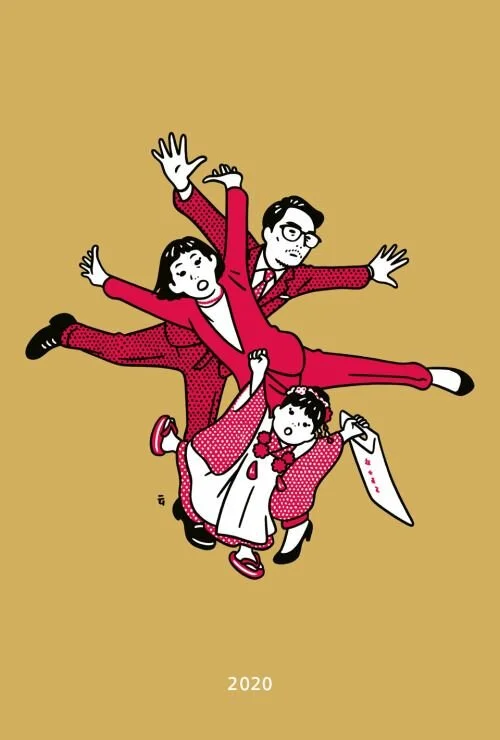
Image by Nimura daisuke|Artworks on tumblr
Many want to feel like they matter.
Others, maybe some just like you, also want to make a difference.
From this lens, it makes absolute sense that we would endeavor to be liked for who we are as fluid beings.
Authenticity, like most attributes, seems to thrive in the light of others. Extremes can indicate rigidity and fear. It's a form of mentally standing in the corner with your back against the wall.
What do you have to gain by coming out to play?
And dare I say, liked?